
Every home renovation begins with an idea – a vision of what could be. Maybe it’s opening up a dark kitchen, restoring the charm of a heritage home, or finally finishing that basement. But while inspiration sparks quickly, the real success of any renovation lies in planning. Careful preparation turns dreams into achievable projects. These essential tips for planning a home renovation project will help you organize your thoughts, balance your budget, and guide your home from concept to completion.
Understanding the Renovation Process
Renovating is not simply about building; it’s about sequencing. A structured plan allows you to anticipate each phase and stay ahead of potential challenges.
- Define your goals: Start by outlining what you want to accomplish. Distinguish between necessities and upgrades – perhaps replacing old plumbing falls under needs, while new countertops belong to wants.
- Set a realistic budget: Establish how much you can comfortably spend and build in a 15 to 20 percent contingency for surprises, especially in older properties.
- Develop a clear timeline: Work with your contractor or architect to map out major stages, including design, demolition, construction, and final finishes. Build flexibility into your schedule to accommodate unexpected delays.
- Hire professionals: For larger projects, consider bringing in a general contractor, designer, or architect. A good team ensures code compliance and quality workmanship while keeping communication clear.
- Finalize materials and design: Once your budget and timeline are set, choose your fixtures, finishes, and flooring before construction begins. Delayed material decisions are one of the most common causes of project slowdowns.
Why Careful Planning Matters
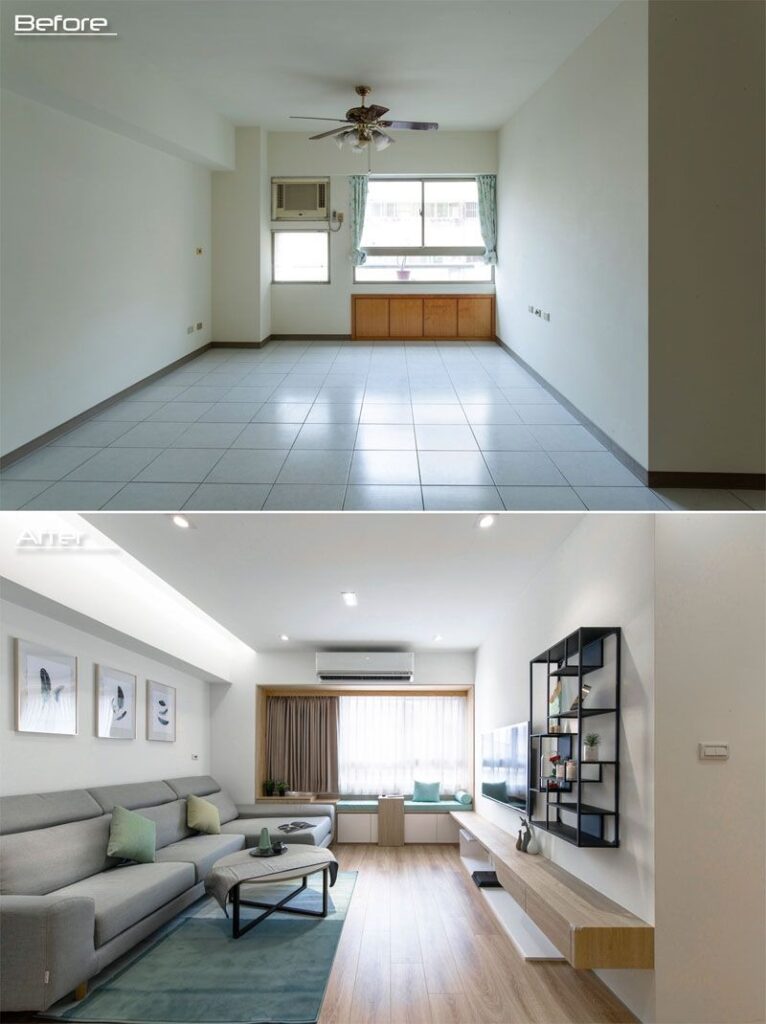
Time spent in preparation pays dividends later. Proper planning reduces costs, stress, and mistakes.
- Keeps finances on track. With detailed cost breakdowns and clear quotes, you minimize the risk of overruns.
- Reduces stress. Knowing what happens when helps you stay organized and calm during construction.
- Improves quality. Early design decisions prevent rushed fixes later and lead to a more cohesive result.
- Saves time. Projects that start with clear direction move smoothly through each phase, avoiding unnecessary delays.
Renovation is as much about process as outcome, and good planning ensures both are positive. Thoughtful preparation also supports a healthier home environment, reducing risks tied to poor ventilation, unsafe materials, or overcrowding – as outlined by the World Health Organization’s research on housing and health risks.
Choosing How to Manage Your Project
Different homeowners prefer different levels of involvement. Whether you plan to manage trades yourself or hire a full-service firm, it helps to understand the distinctions.
| Parameter | DIY Management | General Contractor | Design-Build Firm |
| Typical Cost | Lowest | Moderate (10-20% fee) | Highest (integrated fee) |
| Your Time Commitment | Very High | Low | Low |
| Complexity Management | You coordinate all trades | GC manages all trades and permits | Single team manages design and build |
If your project involves structural changes or multiple trades, hiring professional management is often worth the investment for efficiency and peace of mind.
Creating a Realistic Budget
Your budget forms the backbone of your renovation. Start broad, then refine it as you gather details.
- Research local averages: Get a sense of regional pricing for renovations similar in scale to yours.According to Statistics Canada’s Residential Renovation Price Index, contractor pricing shifts quarter to quarter depending on region, materials, and labour availability. Costs can vary widely depending on materials, scope, and location.
- Collect multiple quotes: Obtain at least three detailed quotes from licensed contractors. Ensure each is based on identical specifications to make an accurate comparison.
- Add contingency funds: Unexpected discoveries – like outdated wiring or hidden water damage – are part of renovation reality. Setting aside a reserve prevents these surprises from derailing your plan.
- Track progress closely: Keep a running spreadsheet of invoices, receipts, and payments. Regular updates help maintain control over your finances from start to finish.
Common Mistakes to Avoid
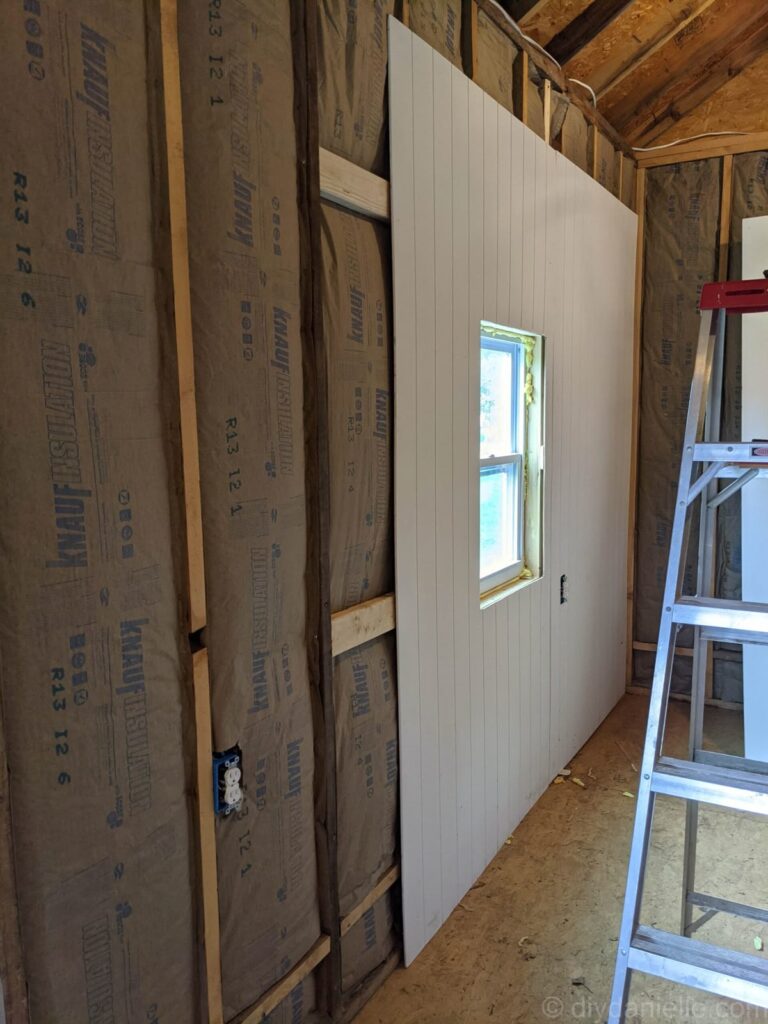
Even the most experienced renovators can fall into familiar traps. A few key reminders help you stay on track.
- Underestimating total costs. Include taxes, permits, furniture, and temporary living expenses if major areas of your home will be out of use.
- Starting without a full design. Changing layouts or finishes midway through construction causes major disruptions. Finalize design details before you begin.
- Neglecting professional verification. Always check credentials, insurance, and references before hiring.
- Overlooking the small details. Outlets, light placement, and storage solutions are often forgotten in early plans but greatly affect daily comfort.
Taking time to double-check these areas early ensures a smoother, less stressful experience.
Discussion: Balancing Dreams, Needs, and Budget
One of the most delicate parts of renovation is balancing aspiration with practicality. It’s easy to get caught up in design inspiration and lose sight of cost and scale.
Start by covering the essentials: roof integrity, insulation, windows, and mechanical systems. Once those are secured, explore creative touches like statement lighting or artisanal tile.
If your budget tightens, consider selective upgrades. For example, using a high-end backsplash in a small section of the kitchen achieves visual impact without large expense. Compromise isn’t a setback – it’s part of good design thinking.
Frequently Asked Questions (FAQ)
1. What are the first things to consider when planning a home renovation project?
Begin by clearly defining the scope and your primary goals for the renovation. Follow this by establishing a realistic budget, including a 15-20% contingency fund, before you start contacting professionals.
2. How do I choose the best contractor for my project?
Seek multiple detailed quotes, check for valid licenses and insurance, and always contact recent references. Most importantly, ensure you have a comprehensive written contract before any work starts or money changes hands.
3. What are the advantages and disadvantages of a detailed renovation plan?
The main advantages are better budget control, a smoother timeline, and significantly reduced stress. The main disadvantage is the upfront time and effort required to create it, which can sometimes feel restrictive if you prefer to make decisions as you go.
Conclusion
Every successful renovation begins with a solid foundation of preparation. Whether you’re restoring an older home or reimagining a modern space, thoughtful planning transforms uncertainty into confidence. By approaching your renovation as both a creative and logistical process, you can ensure that your finished home reflects not only your vision but also the care and discipline it took to bring it to life.
A renovation is more than construction – it’s an investment in comfort, functionality, and long-term enjoyment. With a clear plan and a collaborative team, your blueprint for success is already underway.Further exploration: Learn more about renovation planning, sustainable design, and energy efficiency on Natural Resources Canada.