
As winter sets in and temperatures drop across the Prairies, Canadians naturally turn their attention to warmth and comfort. For generations, the fireplace has been the centre of that conversation – a gathering place, a visual anchor, and, increasingly, a practical source of supplemental heat. Modern technology has transformed what was once a purely aesthetic feature into a reliable tool for efficiency and resilience.
Using a fireplace as an alternative source of heat in the house is more than a nostalgic gesture. It represents a blend of tradition and innovation, where design meets function in the most elemental way: keeping the cold at bay.
Understanding Fireplaces as Supplemental Heat
When most people think of fireplaces, they picture flickering flames and cozy evenings, not efficient heating. Yet the new generation of high-efficiency units can do far more than set the mood.
This concept, often called zone heating, focuses on warming the rooms you use most, allowing the central heating system to work less. By concentrating heat where it’s needed – typically in living spaces or open-plan areas – homeowners can reduce energy use without sacrificing comfort.
To succeed, however, the fireplace must be designed for performance. Traditional open masonry hearths, charming as they are, lose more heat than they create. Modern systems combine advanced combustion technology with carefully engineered airflow to convert fuel into steady, usable warmth.
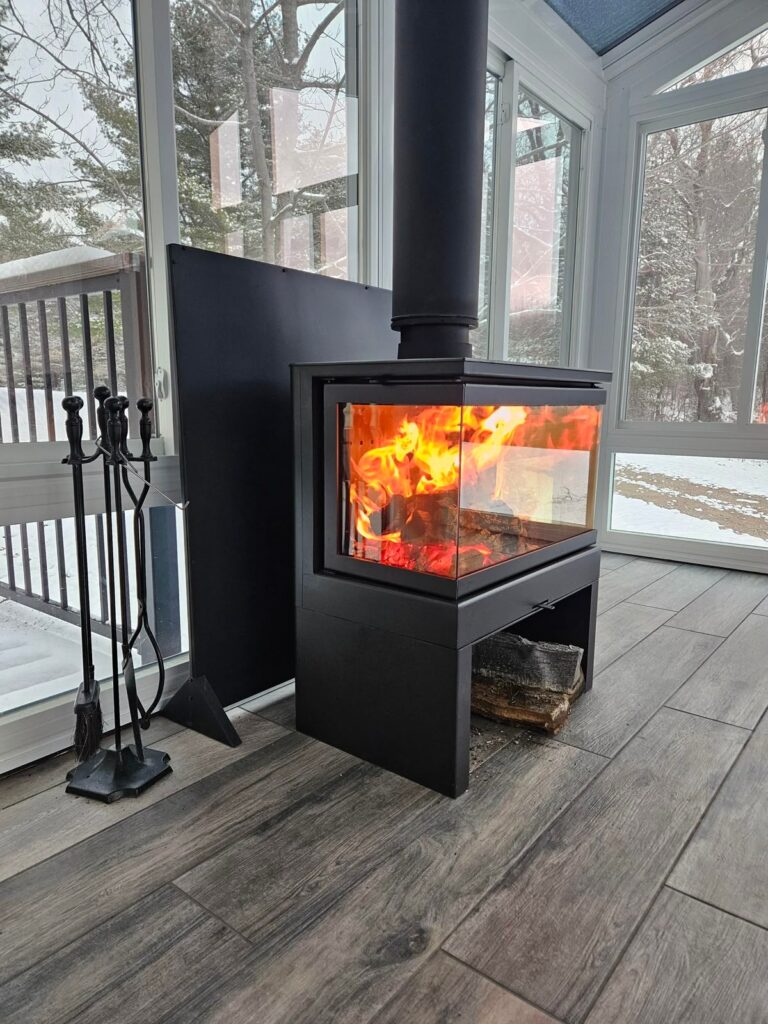
Types of High-Efficiency Heating Fireplaces
- Wood Stoves: EPA-certified wood stoves are the modern descendants of the classic wood-burning stove. Built for clean combustion, they release fewer emissions and radiate powerful, long-lasting heat. According to the U.S. Environmental Protection Agency, replacing an old stove with a certified unit can improve heating efficiency by up to 50 percent while significantly lowering smoke output.
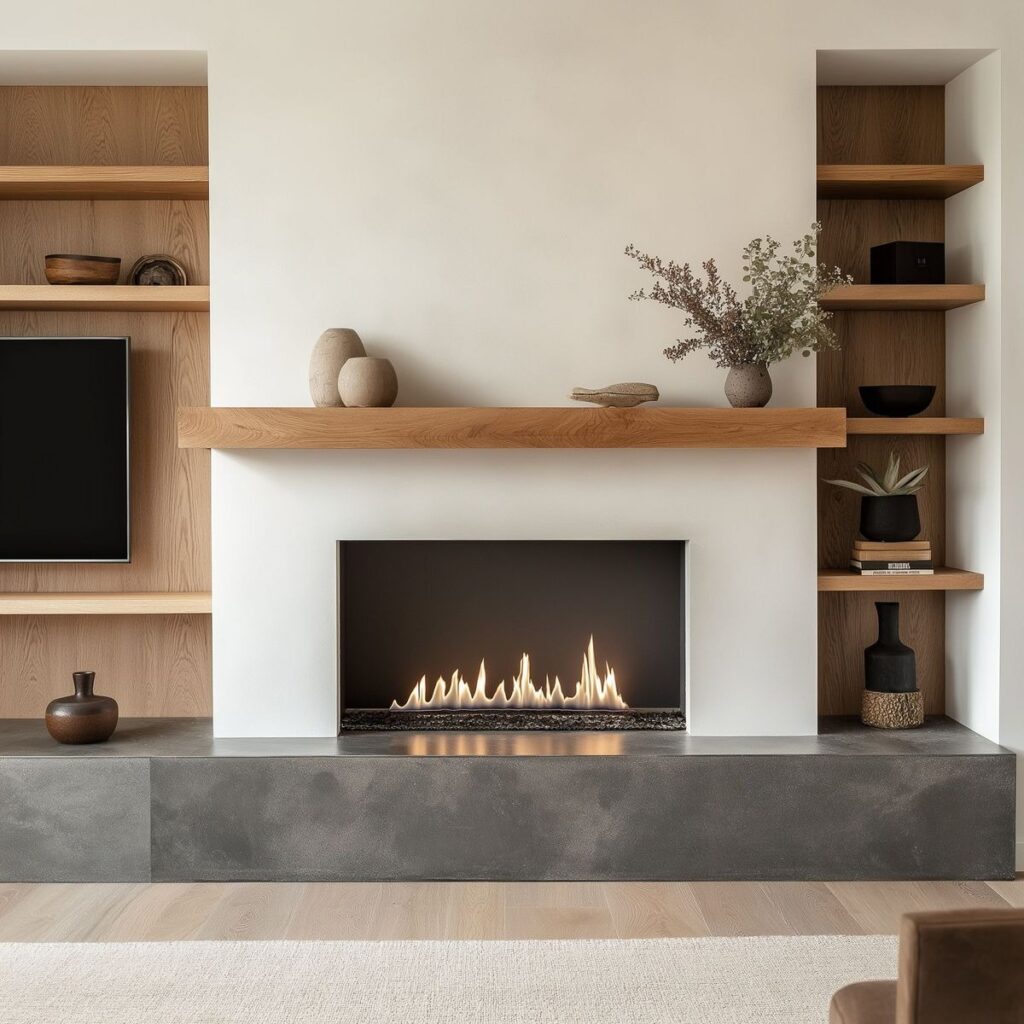
- Direct-Vent Gas Fireplaces: These units use sealed combustion systems that draw in outside air and vent exhaust directly outdoors. The result is safe, efficient heating without drawing warm indoor air up the chimney. They also offer thermostat controls and instant ignition for maximum convenience.
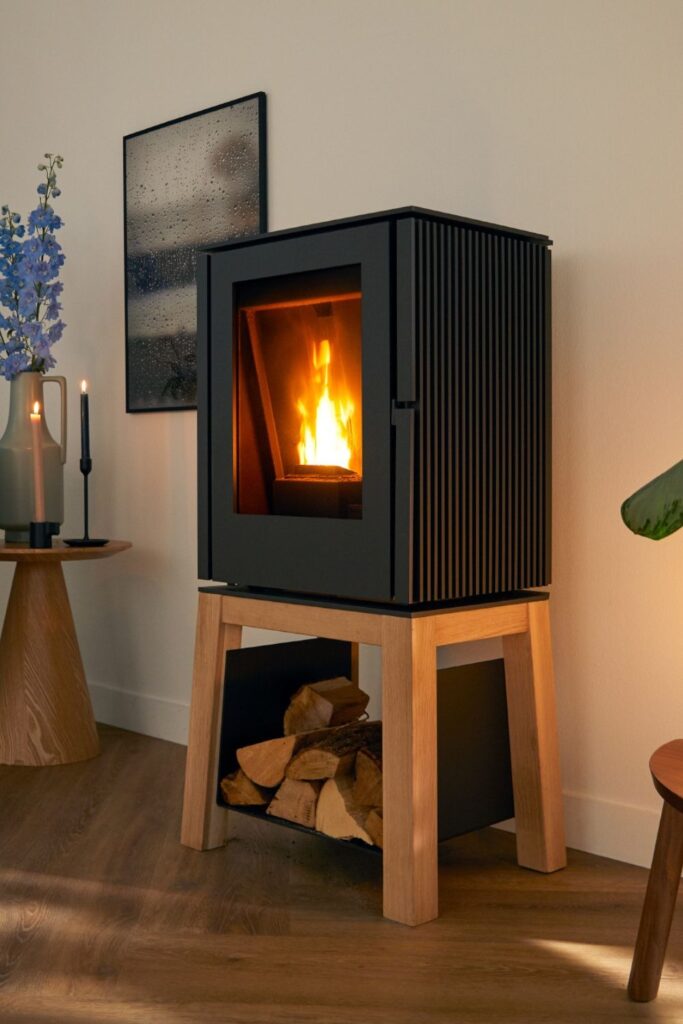
- Pellet Stoves: Pellet stoves bridge the gap between traditional and modern. They burn compressed biomass pellets made from recycled wood waste. Automatic feeding mechanisms ensure a steady flame, and efficiency ratings often exceed 80 percent.
Each system has distinct advantages, and the right choice depends on lifestyle, budget, and local fuel availability.
The Benefits of Using a Fireplace for Heat
- Lower energy bills: Heating only the occupied areas of your home, rather than the entire structure, can lead to meaningful savings. In a Canadian winter, where heating accounts for over half of household energy use, this reduction adds up quickly.
- Energy resilience: A fireplace provides a vital layer of security during power outages. Wood and pellet systems continue to generate heat without electricity – an essential feature during extended winter storms.
- Enhanced comfort: The radiant warmth from a fire feels different from forced air. It heats the body and the space evenly, creating an enveloping sense of coziness.
- Increased home value: Beyond functionality, a well-designed fireplace adds character and architectural presence to a home. Buyers increasingly view efficient hearths as desirable assets
Comparing Fireplace Options
Choosing the right appliance is key. Here’s how the three main types of heating fireplaces compare.
| Parameter | High-Efficiency Wood Stove | Direct-Vent Gas Fireplace | Pellet Stove |
| Heating Efficiency | High (60-80%+) | High (70-90%+) | Very High (75-90%) |
| Fuel Source | Firewood | Natural gas or propane | Wood pellets |
| User Convenience | Low (manual loading) | Very high (automatic control) | High (automated feed) |
| Power Requirement | None | Minimal (ignition only) | Low (feed motor, fan) |
| Best For | Energy independence | Ease of use | Balance of both |
Choosing the Right Fireplace for Your Home
Selecting a fireplace involves both practical and aesthetic decisions.
- Match output to room size: Too powerful a unit can overheat the space, while too small a unit will struggle to maintain temperature. Sizing guides and professional installers can help you find the right balance.
- Consider your fuel supply: If you have easy access to affordable firewood, a wood stove can make sense. If convenience is your priority, gas or pellets may be the better route.
- Plan for installation: New homes without chimneys can still accommodate fireplaces thanks to flexible venting systems. Gas fireplaces, for example, can vent horizontally through an exterior wall.
- Ensure safety and certification: Choose products that meet Canadian safety standards, and always have installations handled by licensed professionals.
Common Mistakes to Avoid
- Using outdated fireplaces. Older open-hearth units can have efficiency levels under 10 percent, actually pulling warm air from the room.
- Skipping maintenance. Annual chimney cleaning prevents creosote buildup and ensures safe operation.
- Ignoring insulation. Even the best fireplace can’t heat a drafty home. Sealing and insulating walls, floors, and attics should come first.
- Blocking airflow. Modern stoves and inserts need adequate ventilation to function efficiently and safely.
By addressing these factors, homeowners can make their fireplaces both safe and sustainable.
Discussion: The Environmental Equation
Debate continues around whether wood-burning appliances can truly be considered green. The answer depends on technology and fuel sourcing.
Traditional fireplaces release significant smoke and particulates. Modern certified wood stoves, however, burn far more efficiently, reducing emissions by up to 90 percent. The Government of British Columbia reports that home wood-smoke from residential heating accounts for about 27 percent of fine particulate matter (PM 2.5) emissions in the province—underscoring the need for high-efficiency appliances. When wood comes from sustainably managed forests, it can be considered carbon neutral – the carbon released during burning roughly equals the amount absorbed by the tree during growth.
Gas fireplaces, by contrast, produce almost no particulates but rely on fossil fuels. The decision often reflects a personal balance between independence, cleanliness, and convenience. Globally, the World Health Organization notes that exposure to household air pollution from inefficient combustion contributes to millions of premature deaths each year, emphasizing the health value of cleaner-burning technologies.
Frequently Asked questions (FAQ)
1. What should I consider when using a fireplace as an alternative source of heat?
The most important considerations are efficiency and safety. Choose a modern, high-efficiency appliance that is professionally installed. Ensure you understand and perform all required maintenance, especially annual chimney cleaning for wood-burning units.
2. How do I choose the best type of heating fireplace?
If your priority is maximum heat and self-sufficiency during power outages, a wood stove is an excellent choice. If you value convenience and thermostat-controlled ease of use, a direct-vent gas fireplace is ideal. Pellet stoves offer a good balance between the two.
3. What are the advantages and disadvantages of using a fireplace for heat?
The main advantages are lower heating bills, warmth during power outages, and enhanced ambiance. The primary disadvantages include the effort of handling and storing fuel (for wood/pellets), the need for regular maintenance, and the initial installation cost.
Conclusion
In modern Canadian homes, the fireplace has reclaimed its functional role. No longer just a decorative feature, it has become a symbol of resilience and mindful living. Whether you choose the independence of wood, the precision of gas, or the balanced convenience of pellets, a well-chosen fireplace provides comfort that feels both natural and enduring.
As energy costs rise and winters grow colder, the hearth once again becomes the heart of the home – a reminder that warmth can be both practical and poetic.Further exploration: Learn more about sustainable heating, home efficiency, and architectural design on Natural Resources Canada.