Designing a new home has always been an exciting act of creation. Today, it also carries responsibility. Modern homeowners are increasingly looking for ways to build spaces that are efficient, comfortable, and respectful of the environment. Embracing technological eco ideas for building a new house combines innovation with stewardship, shaping homes that are as intelligent as they are sustainable.
From energy-saving systems to smart materials, technology is now the cornerstone of green architecture in Canada’s changing climate. By planning early and making informed choices, you can ensure your home is ready for both present comfort and future efficiency.
Understanding Eco-Technological Design
Eco-technological design is the thoughtful integration of advanced systems, sustainable materials, and connected technology within every stage of home construction. Rather than adding gadgets after the fact, it means designing the entire building to perform as a unified system.
Research from the University of British Columbia’s Sustainable Built Environment Lab highlights how intelligent material selection and smart-integrated systems can reduce a home’s lifetime energy demand while improving occupant comfort.
A high-performance home manages its own energy, maintains a stable indoor climate, and minimizes waste. It draws power from renewable sources, uses durable low-impact materials, and adapts automatically to its environment. In practical terms, this is a house that quietly works for you – saving resources while improving comfort every day.
Key Innovations for Sustainable Living
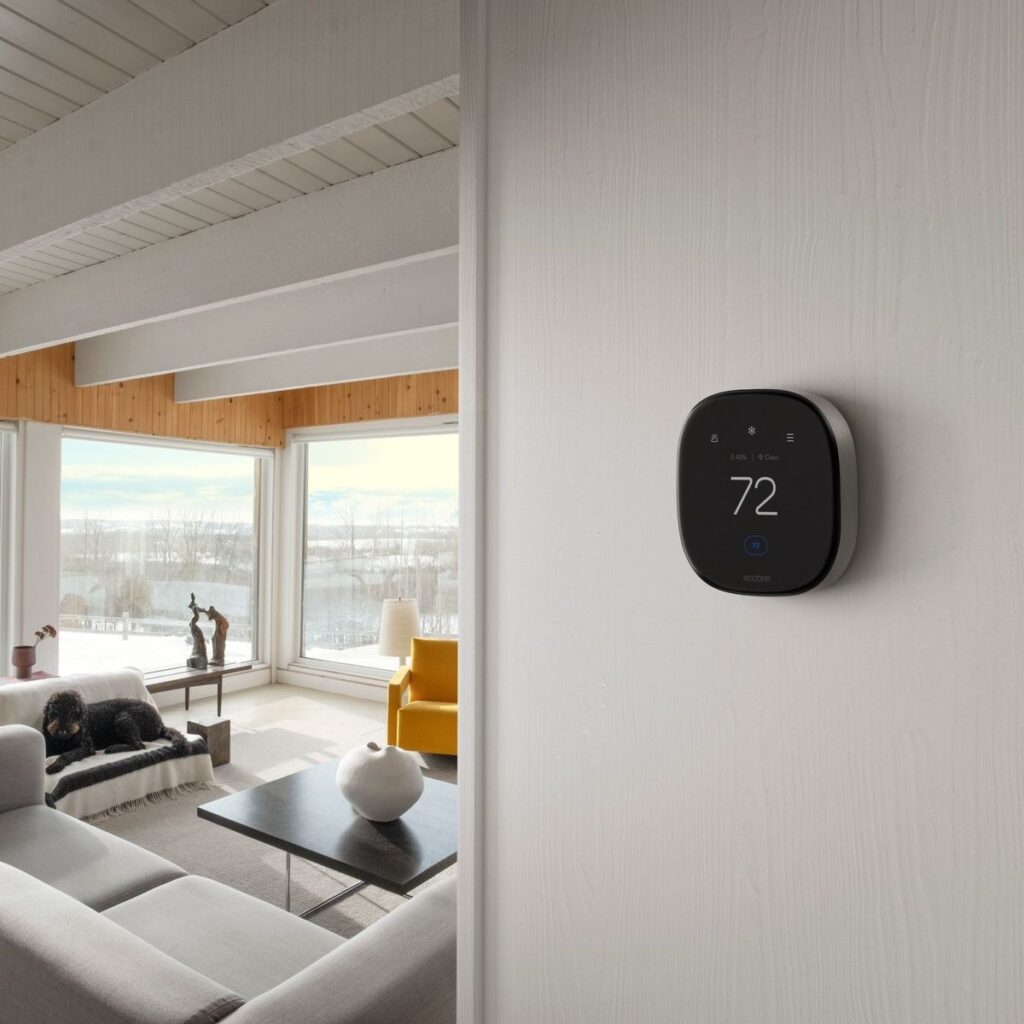
- Energy Generation and Management: Energy efficiency starts with producing and using power intelligently. Solar panels, small-scale wind systems, and geothermal loops allow homeowners to generate their own clean energy. Inside, smart thermostats and energy monitors fine-tune consumption, adjusting temperatures and lighting according to time of day or occupancy.
- Advanced Building Envelope: A well-sealed, well-insulated home remains the foundation of every green build. Technologies like Structural Insulated Panels (SIPs) or Insulated Concrete Forms (ICFs) deliver airtight construction with minimal thermal bridging. High-performance triple-pane windows further reduce heat loss during Edmonton’s long winters.
- Water Conservation: Smart irrigation systems that respond to real-time weather, and greywater recycling systems that reuse shower or sink water for toilets and gardens, can dramatically cut water use. Low-flow fixtures and leak-detection sensors also ensure nothing goes to waste.
- Integrated Home Automation: Modern control hubs allow homeowners to link all systems – from lighting and blinds to heating and ventilation – through a single interface. Automated LED lights and motorized window coverings can reduce energy demand while maintaining comfort and convenience.
Why Eco-Technology Matters
Adopting eco-technological principles provides both immediate and long-term advantages.
- Financial savings: Although installation costs can be higher, reduced utility bills quickly offset the investment. Energy-efficient homes use less heat in winter, less cooling in summer, and produce their own power whenever possible.
- Health and comfort: Airtight homes with mechanical ventilation maintain balanced humidity and temperature, creating healthier indoor environments with fewer drafts and allergens.
- Property value: As buyers increasingly prioritize sustainability, homes equipped with renewable energy and smart systems command higher resale prices.
- Environmental impact: Residential buildings contribute significantly to national emissions. Building an efficient home directly supports Canada’s broader climate goals while reducing personal carbon footprints, aligning with Natural Resources Canada’s Net-Zero Energy Housing initiative that promotes homes producing as much energy as they consume.
Comparing Energy Technologies
| Parameter | Solar Panels (Photovoltaic) | Geothermal Heat Pump | High-Efficiency HVAC & Smart Thermostat |
| Typical Upfront Cost | High ($15,000 – $30,000+) | Very High ($20,000 – $40,000+) | Medium ($8,000 – $15,000) |
| Long-Term Savings | Very High (can eliminate electricity bills) | High (reduces heating/cooling costs by 30-60%) | Medium (can reduce heating/cooling costs by 10-20%) |
| Environmental Impact | Very Low (renewable energy source) | Very Low (uses stable ground heat) | Low (optimizes existing systems) |
Each technology serves a different purpose. Solar panels offer independence from the grid, geothermal systems provide consistent heating and cooling, and high-efficiency HVAC systems ensure everyday comfort at lower cost. Performance data from the U.S. Department of Energy’s Efficient New Homes program show that combining insulation, air-sealing, and renewable systems can cut energy consumption by over 40 percent.
Choosing the Right Systems for Your Location
Climate and geography strongly influence which technologies perform best.
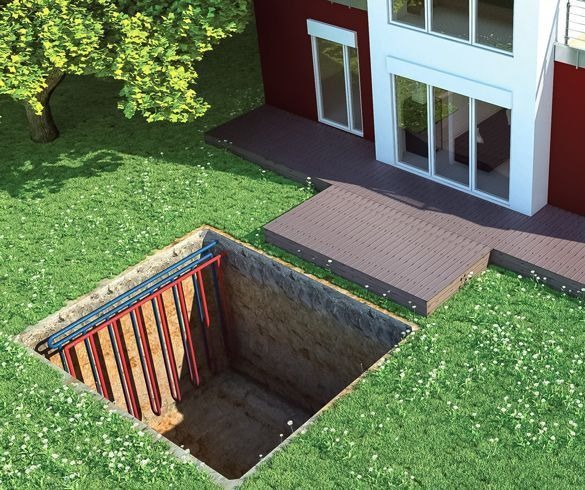
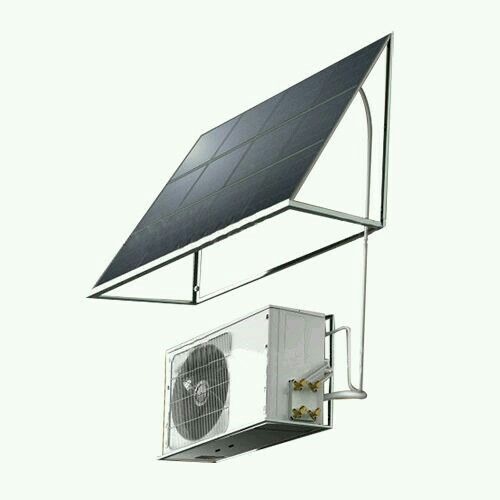
In Edmonton, long winters and ample sunlight make solar panels ideal for year-round electricity generation, especially when combined with a well-insulated building envelope. Geothermal systems also perform exceptionally in cold regions, drawing steady heat from the earth.
Before installation, consider your home’s orientation, surrounding trees, and available land for ground loops or panels. A professional energy assessment can identify which combination of technologies will deliver the greatest return for your site.
Common Mistakes to Avoid
- Overlooking fundamentals – No amount of technology can make up for poor insulation or air leaks. Always perfect the structure first.
- Mixing incompatible systems – Not all devices communicate effectively. Ensure your lighting, thermostat, and automation systems share a common platform.
- Neglecting maintenance – Even advanced systems require care. Schedule regular filter replacements and software updates to keep performance high.
- Ignoring future flexibility – Include conduit and spare wiring during construction so new technologies can be added later without renovation.
Avoiding these issues keeps your smart home efficient, adaptable, and easy to live with.
Discussion: Active Technology vs. Passive Design
The best sustainable homes balance active technology with passive design.
Active technologies include mechanical systems such as solar panels, heat pumps, and automated controls. Passive design focuses on how the building itself interacts with the natural environment.
Positioning large south-facing windows captures sunlight for free winter heat, while roof overhangs provide shade during summer. Natural ventilation and strategic window placement encourage airflow without mechanical fans. When active and passive principles work together, the result is a home that maintains comfort naturally and uses technology only when needed.
Frequently Asked Questions (FAQ)
1. What is the first thing to consider when planning for technological eco ideas in a new house?
Start with the building envelope. Before selecting any technology, focus on maximizing insulation, installing high-performance windows, and ensuring the structure is as airtight as possible. This foundational step will reduce the amount of energy your home needs in the first place.
2. How do I choose the best smart home system for energy efficiency?
Look for a system that can integrate and automate your home’s key energy consumers: heating and cooling, lighting, and hot water. A system that provides you with detailed energy consumption data is also invaluable for identifying opportunities to save.
3. What are the advantages and disadvantages of building a tech-focused eco house?
The main advantages are significantly lower utility bills, increased comfort and convenience, and a smaller environmental footprint. The key disadvantages are the higher initial construction costs and the potential complexity of integrating and maintaining multiple advanced systems.
Conclusion
The next generation of homebuilding in Canada is being defined by innovation and responsibility. By combining technology with sustainability, today’s builders are creating homes that are efficient, adaptable, and future-ready. Thoughtful integration of solar energy, intelligent climate control, and durable construction materials ensures that a new home is not only comfortable to live in but also kind to the planet.
Every smart decision during construction contributes to a lasting legacy – one where design, technology, and environmental care work hand in hand to build the homes of tomorrow.